
That Loud Garage Door Isn't Just a Nuisance
If you've been ignoring the grinding, squealing, or rattling coming from your garage door every time it opens or closes, you're not alone. A lot of homeowners in King treat a noisy garage door like background noise — something they've just gotten used to. But here's the thing: garage doors aren't supposed to be loud. When they start making unusual sounds, they're usually telling you that something is wearing out, coming loose, or about to fail.
The good news is that most garage door noises point to fixable problems, especially when you catch them early. The bad news is that ignoring them can lead to bigger, more expensive repairs down the road. Let's break down the most common garage door sounds, what causes them, and what you should do about each one.
Grinding or Scraping Sounds
A grinding or scraping noise when your garage door moves is one of the more concerning sounds you can hear. This usually means metal is rubbing against metal somewhere it shouldn't be.
The most common culprits include:
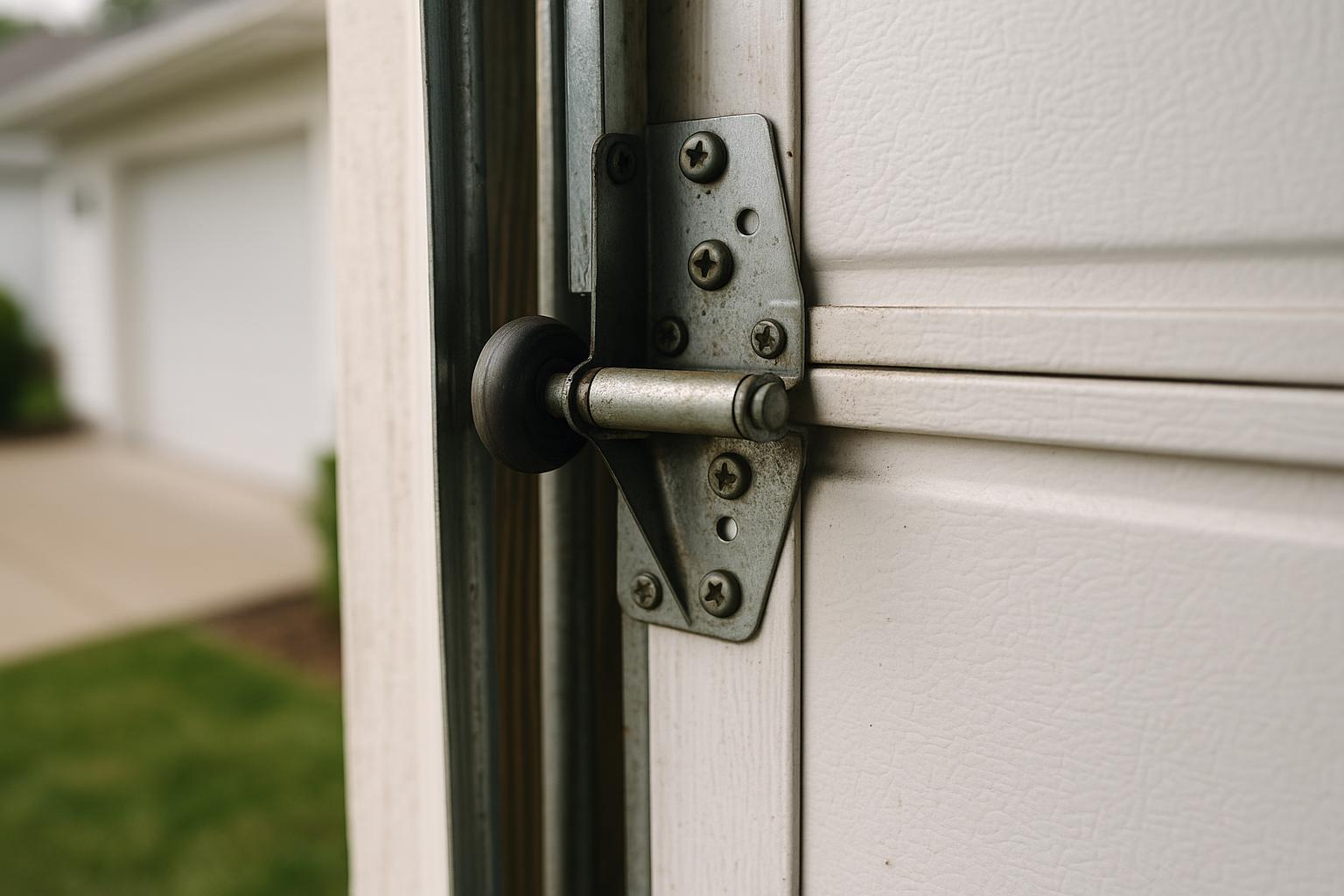
- Worn-out rollers: Metal rollers wear down over time and can start grinding against the tracks. Nylon rollers are quieter and last longer, and upgrading to them is a relatively simple fix.
- Misaligned tracks: If your tracks have shifted even slightly, the door can scrape against them as it moves up and down. This puts extra stress on the entire system and can cause the door to get stuck.
- Lack of lubrication: Moving parts need regular lubrication to operate smoothly. Without it, metal components grind against each other and wear out faster than they should.
If you're hearing grinding sounds from your garage door, it's worth having someone take a look before the problem gets worse. What starts as a minor alignment issue can turn into bent tracks or broken rollers if left alone.
Squealing or Squeaking
A high-pitched squeal every time your garage door moves is hard to ignore — and your neighbors in King probably aren't thrilled about it either, especially early in the morning.
Squealing typically comes from:
- Dry hinges and bearings: These parts need periodic lubrication with a garage door-specific lubricant (not WD-40, which is a solvent, not a lubricant).
- Worn torsion springs: As springs age, they can produce a squealing sound during operation. This is especially common in doors that have been in service for seven to ten years without spring replacement.
- Old rollers: Steel rollers without ball bearings are notorious for squealing. Replacing them with nylon rollers can make a dramatic difference in how quiet your door operates.
A quick lubrication of all moving parts can often eliminate squealing immediately. It's one of the simplest maintenance tasks, but it makes a huge difference in both noise and the lifespan of your components.
Rattling and Vibrating
Rattling is one of the most common garage door complaints we hear from homeowners around King and the surrounding areas like Rural Hall and Tobaccoville. It usually sounds like something is loose — because something probably is.
Common causes of rattling include:
- Loose nuts and bolts: The constant vibration of a garage door opening and closing hundreds of times a year can loosen hardware over time. A simple tightening of all nuts, bolts, and brackets can often solve the problem.
- Loose chain on a chain-drive opener: If your garage door opener uses a chain drive, the chain can loosen and slap against the rail, creating a rattling noise. Adjusting the chain tension usually fixes this.
- Worn support brackets: The brackets that hold your tracks to the wall and ceiling can loosen or wear out, causing the whole system to vibrate more than it should.
Popping or Banging Sounds
A loud pop or bang when your garage door starts moving can be startling. This sound often points to a problem with the torsion springs. As springs wear out, they can bind up and then release suddenly, creating a popping sound. In some cases, the pop you hear is actually a spring breaking — which means your door likely won't open until the spring is replaced.
Popping can also come from panels that have warped slightly and are flexing as the door moves. This is more common with older wooden garage doors or metal doors that have taken an impact.
Either way, a banging or popping sound deserves prompt attention. Spring failures can be dangerous, and a warped panel can put uneven stress on the rest of the door system.
Humming but Not Moving
If your garage door opener hums when you press the button but the door doesn't move, the motor is engaging but can't move the door. This could mean:
- A broken spring: Without functioning springs to counterbalance the door's weight, the opener motor alone can't lift it.
- A stripped gear inside the opener: The internal gears in garage door openers wear out over time, especially in older units. When they strip, the motor runs but can't transfer power to move the door.
- The door is locked or obstructed: Before assuming the worst, check that the manual lock isn't engaged and that nothing is blocking the tracks.
Running a motor against a door it can't move will burn out the opener quickly, so if you hear humming without movement, stop pressing the button and figure out what's going on.
When to DIY and When to Call a Professional
Some noise-related fixes are safe for homeowners to handle on their own:
- Applying garage door lubricant to rollers, hinges, springs, and bearings
- Tightening loose nuts and bolts with a socket wrench
- Checking for obvious obstructions in the tracks
However, certain repairs should always be left to a professional:
- Spring replacement: Torsion springs are under extreme tension and can cause serious injury if handled incorrectly.
- Track realignment: Improperly adjusted tracks can cause the door to come off the rails entirely.
- Opener gear replacement: This involves disassembling the motor unit and requires the right parts and expertise.
If you're not sure what's causing the noise, the safest bet is to have a professional diagnose it. A quick inspection can identify the problem and prevent a minor issue from becoming a major repair.
Don't Wait Until the Noise Becomes a Breakdown
Your garage door is one of the largest moving parts in your home, and it works hard — most households open and close their garage door over a thousand times a year. All that movement takes a toll, and unusual sounds are your first warning that something needs attention.
If your garage door has been getting louder or making sounds it didn't used to make, don't just turn up the radio and hope for the best. At King Garage Door Service, we help homeowners across King, Walnut Cove, Pinnacle, Germanton, and the surrounding communities keep their garage doors running quietly and reliably. Whether it's a simple lubrication, a roller replacement, or a full diagnostic, we'll figure out what's making the noise and fix it right the first time.