
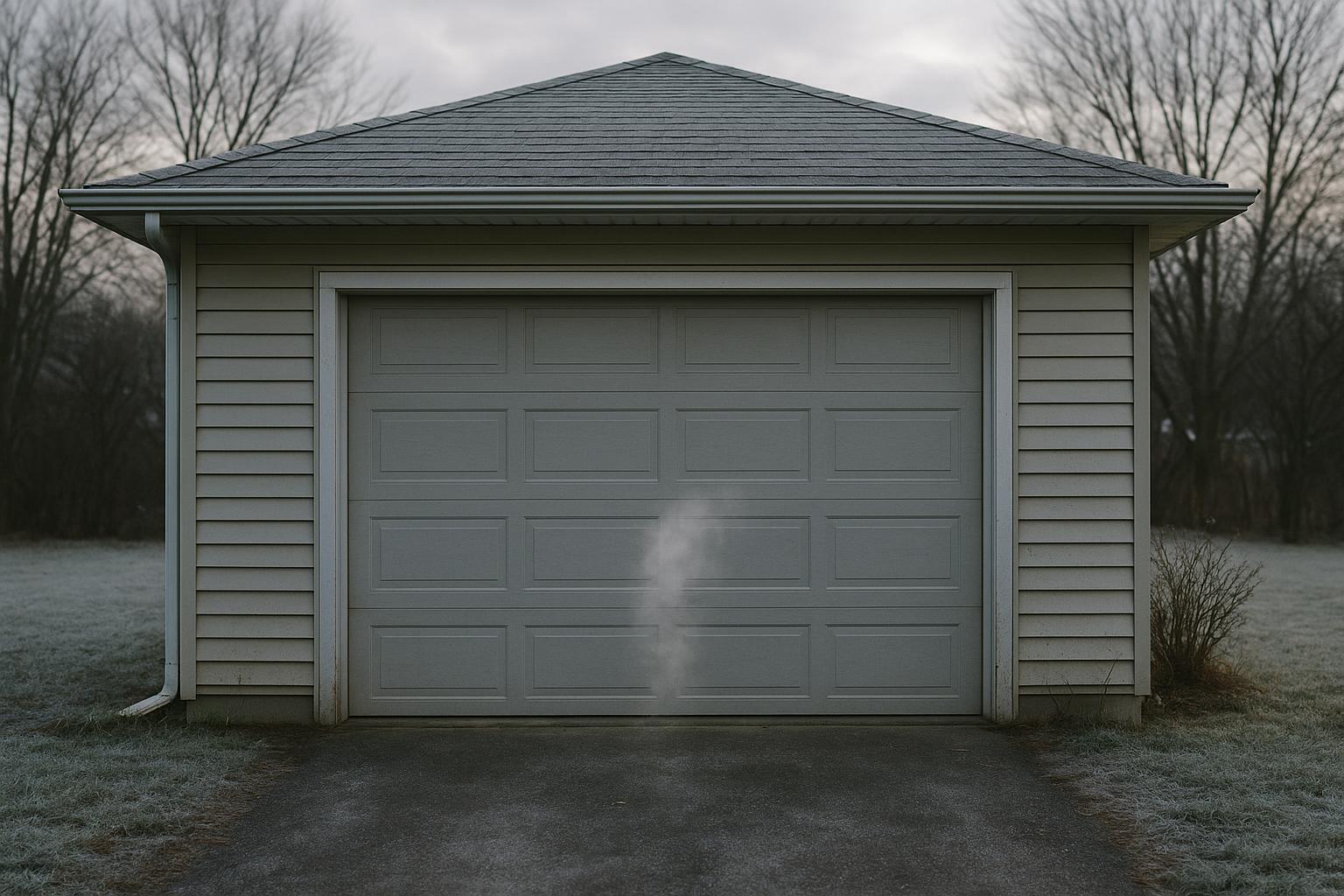
Winter Mornings and Stuck Garage Doors
You're running late on a cold January morning in King, NC. You press the button on your garage door opener, hear the motor hum, and then — nothing. The door barely moves, groans loudly, or refuses to budge at all. It's a frustrating scenario that homeowners across our area deal with every winter, and it's more common than you'd think.
Cold weather affects your garage door system in several ways, from the metal components to the lubricant that keeps everything moving. The good news is that most cold-weather garage door problems are preventable, and many of them have straightforward fixes. Let's walk through the most common causes and what you can do about each one.
Why Cold Weather Causes Garage Door Problems
Your garage door is one of the largest moving parts of your home, and it relies on a system of springs, cables, tracks, rollers, and an opener all working together. When temperatures drop, every one of those components can be affected.
Metal Contracts in the Cold
Metal shrinks slightly when it gets cold. That might not sound like much, but across a 16-foot garage door with dozens of metal parts, even tiny contractions can add up. Tracks can tighten around rollers, hinges can stiffen, and springs lose some of their flexibility. The result is a door that feels heavier and harder to move than it does in warmer months.
Lubricant Thickens and Hardens
The grease and lubricant on your garage door's moving parts can thicken or even harden in cold temperatures. When that happens, rollers don't spin freely, hinges don't pivot smoothly, and the entire system has to work harder. You might hear squealing, grinding, or popping sounds when the door tries to move. In some cases, the opener motor simply can't overcome the added resistance.
Weatherstripping Sticks to the Ground
The rubber weatherstripping along the bottom of your garage door is designed to seal out drafts, rain, and pests. But when temperatures drop below freezing, moisture between the seal and the garage floor can freeze, essentially gluing your door to the ground. If your opener tries to lift a door that's frozen to the floor, it can strain the motor, damage the weatherstripping, or trigger the safety reverse feature.
Springs Become More Brittle
Garage door springs are under constant tension, and cold weather makes the steel more brittle. A spring that was already nearing the end of its lifespan is more likely to snap on a freezing morning than on a mild afternoon. If you've noticed your door struggling or heard unusual sounds from the springs, winter is the worst time to ignore it.
How to Prevent Cold-Weather Garage Door Issues
Most winter garage door problems can be avoided with a little preparation. Here's what we recommend to homeowners here in King and the surrounding communities like Tobaccoville, Rural Hall, and Pinnacle.
Apply Cold-Weather Lubricant
Standard garage door lubricant can thicken in the cold. Switch to a silicone-based spray lubricant designed for low temperatures. Apply it to the springs, rollers, hinges, and tracks before winter sets in. This one step alone prevents a surprising number of cold-weather issues.
Inspect and Replace Weatherstripping
Check the rubber seal along the bottom of your door. If it's cracked, brittle, or worn thin, replace it before freezing weather arrives. A fresh seal keeps cold air out of your garage and is less likely to freeze to the floor. If your current weatherstripping does freeze to the ground, gently break the seal by hand before using your opener — never force it with the motor.
Keep the Tracks Clean
Dirt, leaves, and debris can accumulate in your garage door tracks during fall. When winter comes, that debris combines with moisture and cold to create blockages. Wipe down the inside of both tracks with a clean cloth. Don't apply lubricant directly to the tracks — this can actually attract more dirt and cause the rollers to slip.
Test the Door's Balance
Disconnect your garage door opener by pulling the emergency release handle, then manually lift the door halfway. If it stays in place, the springs are properly balanced. If it slides down or shoots up, the springs need adjustment. An unbalanced door forces the opener to work harder, and that strain is magnified in cold weather. Spring adjustment is a job for a professional — the tension involved is dangerous for anyone without the right tools and training.
Schedule a Pre-Winter Tune-Up
The best way to avoid getting stuck on a cold morning is to have your garage door professionally serviced before winter. A proper maintenance visit covers lubrication, spring inspection, cable and track assessment, opener testing, and weatherstripping evaluation. It's a small investment that saves you from emergency repair calls when you least want to deal with them.
What to Do If Your Door Is Already Stuck
If you're reading this because your garage door won't open right now, here are some steps to try:
- Check for a frozen seal. Look at the bottom of the door where it meets the floor. If it's frozen, carefully use a flat shovel or a heat gun on a low setting to break the ice. Never pour boiling water on it — it'll just refreeze.
- Try the manual release. Pull the red emergency release cord to disconnect the opener, then try lifting the door by hand. If it moves freely, the problem may be with the opener itself rather than the door.
- Listen for unusual sounds. If the motor runs but the door doesn't move, the drive gear inside the opener may have stripped. If you hear a loud bang, a spring may have broken. Both of these require professional repair.
- Don't force it. If the door won't move manually or with the opener, stop trying. Forcing a stuck garage door can cause cable derailment, track damage, or opener burnout — turning a minor issue into an expensive one.
When to Call a Professional
Some cold-weather fixes are simple enough to handle yourself, like applying lubricant or freeing a frozen seal. But if your door is consistently struggling, making loud noises, or refusing to open, there's likely an underlying issue that needs professional attention.
Broken springs, frayed cables, misaligned tracks, and failing openers are all problems that get worse in winter — and all of them are dangerous to repair without proper equipment. If you're in King, Walnut Cove, Germanton, or anywhere nearby, King Garage Door Service can diagnose the problem and get your door working reliably again.
Don't Wait for the Coldest Day of the Year
The worst time to find out your garage door has a problem is when it's 20 degrees outside and you need to get to work. A little preventive maintenance in the fall goes a long way toward keeping your garage door dependable all winter long.
If your garage door has been giving you trouble or you want to get ahead of winter issues, give King Garage Door Service a call. We'll make sure everything is in working order so you're not stuck in the cold when it matters most.